83 Babies

Hip Hop
Contemporary Hip Hop
Alternative Hip Hop
 Viberate Rank: 162687
 Viberate Rank: 162687
 Monthly ListenersFollowers
 Subscribers
 Followers
 Followers
 FansTop Spotify Songs
| Track | 7-Day Streams | |
|---|---|---|
1 | 7.73K | |
2 | 495 | |
3 | 464 | |
4 | 350 | |
5 | 346 |
Top YouTube Videos| Video | 7-Day Views | |
|---|---|---|
1 | 3.28K | |
2 | 1.35K | |
3 | 773 | |
4 | 100 | |
5 | 66 |
Monthly ListenersFeatured in Playlists| Playlist | Followers | |
|---|---|---|
1 |  songs that slap Axel Tanner | 57.73K |
2 |  Underground Rap/Trap 2k19 shazinho | 55.79K |
3 | Modern Day Music 2021 Katie Ernst | 55.05K |
4 |  🔥 2019’s Hottest 🔥 Eminent Music Group | 24.85K |
5 |  PUMPEN im BEASTMODE Moritz Schurmann | 24.56K |
Audience| City | Monthly Listeners | |
|---|---|---|
1 |  | 528 |
2 | | 449 |
3 | | 438 |
4 | | 417 |
5 | | 390 |
See full performance history, audience data, playlist activity, rankings, comparisons, and more in Viberate music analytics. Start with a free trial, then continue with a paid plan.
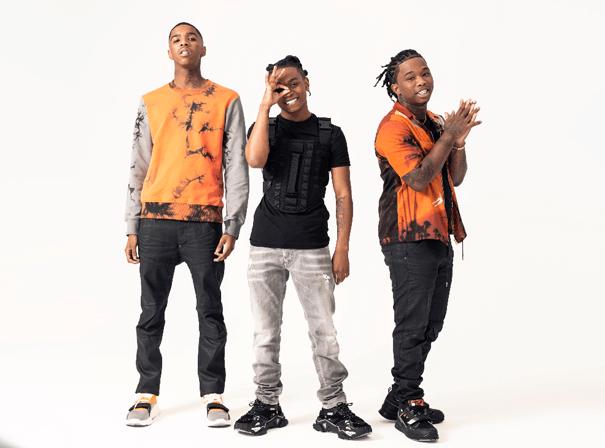
83 Babies’ Spotify BioAlthough they hail from Durham, North Carolina, rap trio 83 Babies have a distinctly Atlanta trap sound. Rising in the late 2010s, they caught the ear of Rich the Kid, who signed them to his label before they issued their self-titled debut effort, which featured the underground hit "No Cap."
Formed by rappers Lil Tony, Set It Off (fka Setitoff83), and Young Boss Tevo, 83 Babies adopted all the typical stylings of trap popularized by predecessors like Migos (they even received a co-sign from the Atlanta trio). Early singles included "Lurkin" and "No Hook," but it was "No Cap" that brought them their widest exposure to date. That track was included on their first full-length, 83 Babies, which was issued on Rich the Kid's Rich Forever label. Rich later contributed a verse to "No Cap," extending its life into 2019. That same year, 83 Babies hopped onto the label compilation Rich Forever 4, which turned into a showcase for the trio, who contributed half the set's material with "Drip Layer,"… "So Nasty," "Tell Me" with Airi, "Numbers" with Tg3 Thr33, and "Get the Bag" and "Chanel Frames" with Bino. ~ Neil Z. Yeung, Rovi
Viberate is a music analytics platform built for A&Rs, artist managers, labels, booking agents, marketers, and artists.
It helps music professionals track artist growth, analyze audience data, monitor playlist activity, compare artists, follow song performance, and identify opportunities across the music market.
Public artist pages provide a free preview of selected artist data. Paid plans provide access to deeper analytics, historical data, charts, comparisons, playlist tools, exports, alerts, reports, and additional professional features.
Yes. Public Viberate artist pages provide selected artist analytics and music data for free.
Viberate also offers a 7-day free trial of the full platform. A credit card is required to start the trial. The trial includes access to the complete product so users can test deeper artist analytics, historical views, playlist insights, comparisons, charts, exports, alerts, and reporting features before choosing a paid plan.
Viberate provides artist analytics across streaming, playlists, social media, video, radio airplay, songs, and audience markets.
Users can analyze Spotify performance, Spotify and Apple Music playlists, YouTube activity, TikTok and Instagram growth, radio spins, song performance, audience locations, demographics, rankings, and overall artist momentum.
Artist profiles also connect to music charts, similar artists, and comparison tools, helping users benchmark performance and evaluate artists in context.
Viberate updates key artist and track data daily.
For followed artists and tracks, selected data is refreshed multiple times per day. This helps teams monitor playlist changes, streaming movement, audience growth, releases, and campaign performance with more current data.
Update frequency can vary depending on the metric and data source.
Yes. Viberate lets users compare up to five artists side by side across streaming, social media, audience, and engagement metrics.
Users can compare fanbase growth, audience demographics, locations, Spotify performance, social metrics, and other artist data over selected time periods.
Artist comparison can be used for A&R scouting, benchmarking, booking decisions, campaign planning, and evaluating artists with similar audiences or market positions.