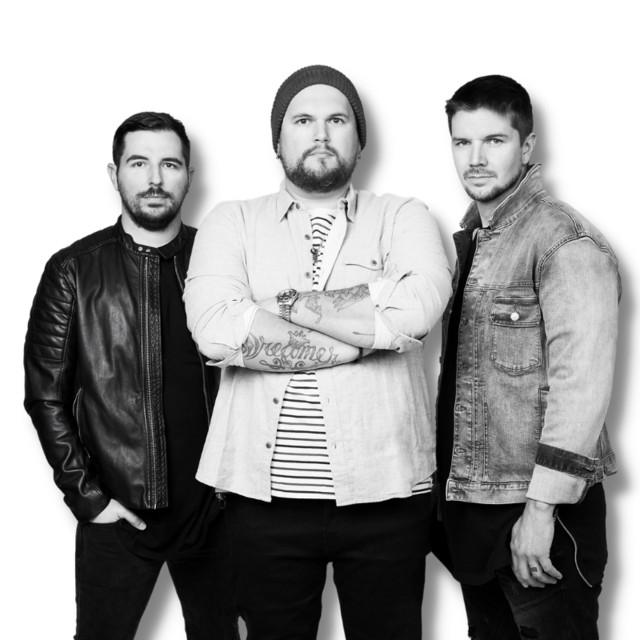
7eventh Time Down

Religious
Christian Music
Hard Rock
 Viberate Rank: 46445
 Viberate Rank: 46445
 Monthly ListenersFollowers
 Subscribers
 Followers
 Followers
 FansTop Spotify Songs
| Track | 7-Day Streams | |
|---|---|---|
1 | 64.44K | |
2 | 9.66K | |
3 | 5.67K | |
4 | 4.38K | |
5 | 4.16K |
Top YouTube VideosMonthly ListenersFeatured in Playlists| Playlist | Followers | |
|---|---|---|
1 |  Top Christian Worship Songs Brencee | 555.28K |
2 | Popular Christian Music Juliann Hale | 258.39K |
3 |  Contemporary Christian Christmas Spotify | 145.22K |
4 |  Christian Music 2021 David Franklin | 125.33K |
5 |  Best of Christian psav8tor | 71.07K |
Audience| City | Monthly Listeners | |
|---|---|---|
1 | | 3.69K |
2 | | 2.59K |
3 | | 2.50K |
4 | | 2.30K |
5 | | 2.23K |
See full performance history, audience data, playlist activity, rankings, comparisons, and more in Viberate music analytics. Start with a free trial, then continue with a paid plan.
7eventh Time Down’s Spotify BioA hard-hitting Christian rock quartet based out of Mount Vernon, Kentucky, 7eventh Time Down employs a muscular blend of melody and might. Citing artists like the Doors, Led Zeppelin, Johnny Cash, the Who, and AC/DC as influences, the band has been active since 2004, with members Mikey Howard (lead vocals, rhythm guitar), Cliff Williams (bass), Eric Van Zant (lead guitar), and Austin Miller (drums) playing together since they were teens. Since their 2011 debut, Alive in You, which was released via Tooth & Nail imprint BEC Recordings, the quartet has logged hundreds of shows a year, playing alongside CCM heavy weights like Newsboys, For King & Country, KJ-52, Manafest, Fireflight, and Stellar Kart. Their sophomore full-length, Just Say Jesus, saw the band draw both commercial and critical acclaim, cracking the Top 20 on both the Billboard Heatseekers and Christian Album charts. 7eventh Time Down's much anticipated third studio long-player, God Is on the Move, dropped in 2015, and… featured the hit singles "Promises" and the powerful title cut. ~ James Christopher Monger, Rovi
Viberate is a music analytics platform built for A&Rs, artist managers, labels, booking agents, marketers, and artists.
It helps music professionals track artist growth, analyze audience data, monitor playlist activity, compare artists, follow song performance, and identify opportunities across the music market.
Public artist pages provide a free preview of selected artist data. Paid plans provide access to deeper analytics, historical data, charts, comparisons, playlist tools, exports, alerts, reports, and additional professional features.
Yes. Public Viberate artist pages provide selected artist analytics and music data for free.
Viberate also offers a 7-day free trial of the full platform. A credit card is required to start the trial. The trial includes access to the complete product so users can test deeper artist analytics, historical views, playlist insights, comparisons, charts, exports, alerts, and reporting features before choosing a paid plan.
Viberate provides artist analytics across streaming, playlists, social media, video, radio airplay, songs, and audience markets.
Users can analyze Spotify performance, Spotify and Apple Music playlists, YouTube activity, TikTok and Instagram growth, radio spins, song performance, audience locations, demographics, rankings, and overall artist momentum.
Artist profiles also connect to music charts, similar artists, and comparison tools, helping users benchmark performance and evaluate artists in context.
Viberate updates key artist and track data daily.
For followed artists and tracks, selected data is refreshed multiple times per day. This helps teams monitor playlist changes, streaming movement, audience growth, releases, and campaign performance with more current data.
Update frequency can vary depending on the metric and data source.
Yes. Viberate lets users compare up to five artists side by side across streaming, social media, audience, and engagement metrics.
Users can compare fanbase growth, audience demographics, locations, Spotify performance, social metrics, and other artist data over selected time periods.
Artist comparison can be used for A&R scouting, benchmarking, booking decisions, campaign planning, and evaluating artists with similar audiences or market positions.