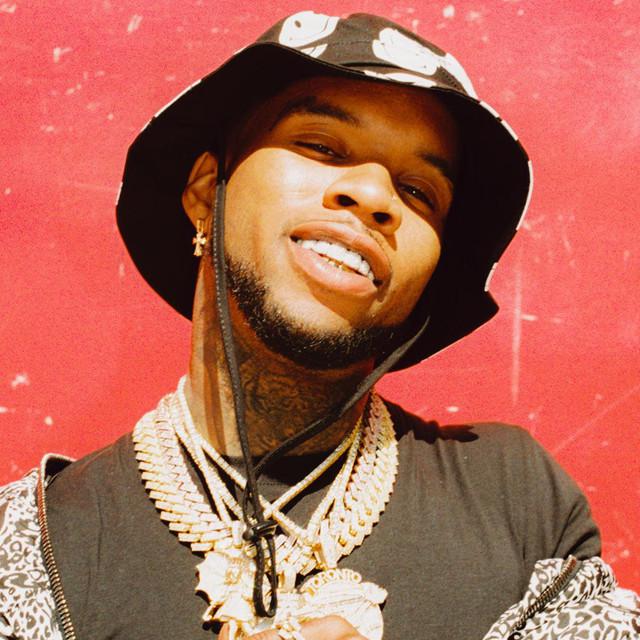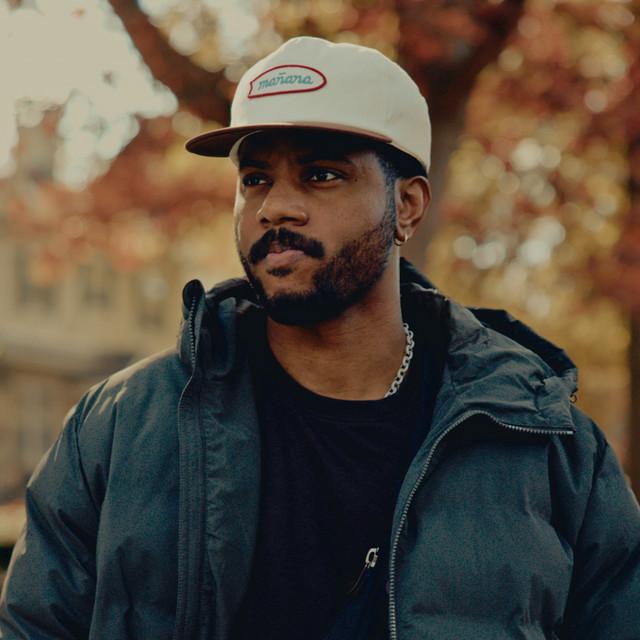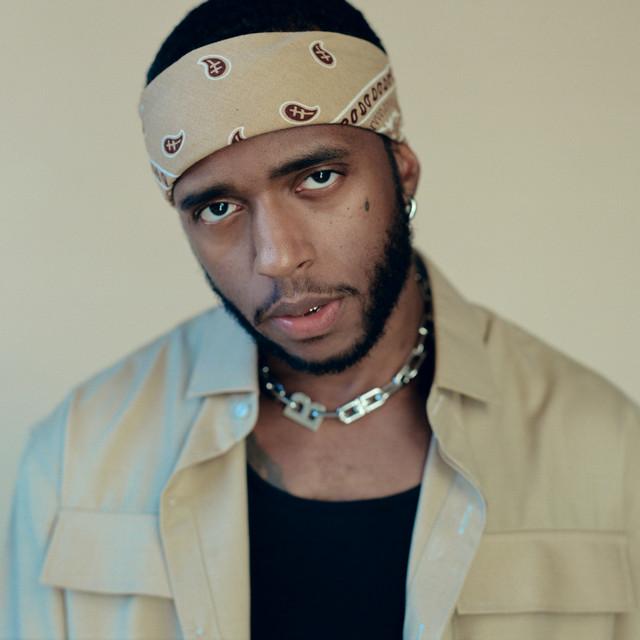
6LACK

R&B
Contemporary R&B
Trap
 Viberate Rank: 1560
 Viberate Rank: 1560
 Monthly ListenersFollowers
 Subscribers
 Followers
 Followers
 FansTop Spotify Songs
| Track | 7-Day Streams | |
|---|---|---|
1 | 1.41M | |
2 | 1.25M | |
3 | 631.11K | |
4 | 489.17K | |
5 | 360.09K |
Top YouTube Videos| Video | 7-Day Views | |
|---|---|---|
1 | 654.29K | |
2 | 307.78K | |
3 | 276.92K | |
4 | 208.71K | |
5 | 152.92K |
Monthly ListenersFeatured in Playlists| Playlist | Followers | |
|---|---|---|
1 |  RNB X Spotify | 5.99M |
2 |  All The Feels Spotify | 2.71M |
3 |  Chilled R&B Spotify | 2.36M |
4 |  Make Out Jams Spotify | 2.36M |
5 |  Gold Edition Spotify | 2.14M |
Audience| City | Monthly Listeners | |
|---|---|---|
1 |  | 215.38K |
2 |  | 182.19K |
3 | | 161.41K |
4 |  | 153.71K |
5 | | 150.11K |
See full performance history, audience data, playlist activity, rankings, comparisons, and more in Viberate music analytics. Start with a free trial, then continue with a paid plan.
6LACK’s Spotify BioPronounced “black”, alternative R&B/Hip Hop artist 6LACK has long considered six an important number that is central to his identity. Raised in Atlanta’s Zone 6 (hence 6LACK), the musician attributes his hometown as a major influence on his stage name as well as the spiritual significance of the number six.
Born in 1992 in Baltimore, Maryland as Ricardo Valdez Valentine, 6LACK started recording at the age of four; the singer, songwriter, and rapper’s first recording experience was at his father’s studio. His initial foray into music consisted of rap battles, and he eventually made the transition from battle rapping, into songwriting. Valentine was also highly influenced by a range of artists such as Sade, Andre 3000, Erykah Badu, Lil Wayne, Usher, The Dream, and T-Pain. It’s also noted that he started to vocally train himself in 2009.
His debut album Free 6lack was released in November 2016 and peaked at #34 on the Billboard 200 and included his previously released single “Prblms”, which… peaked at #73 on the Billboard 100. “Prblms” marked the rapper and singer’s first platinum record; it entered Billboard’s Twitter Emerging Artists chart as number five and eventually went 3x platinum. He was also featured in Rolling Stone as “10 New Artists You Need to Know” the same month his album debuted.
In 2018, 6LACK was nominated for two Grammy Awards in the Best Urban Contemporary Album category and the Best Rap/Song Performance category.
Viberate is a music analytics platform built for A&Rs, artist managers, labels, booking agents, marketers, and artists.
It helps music professionals track artist growth, analyze audience data, monitor playlist activity, compare artists, follow song performance, and identify opportunities across the music market.
Public artist pages provide a free preview of selected artist data. Paid plans provide access to deeper analytics, historical data, charts, comparisons, playlist tools, exports, alerts, reports, and additional professional features.
Yes. Public Viberate artist pages provide selected artist analytics and music data for free.
Viberate also offers a 7-day free trial of the full platform. A credit card is required to start the trial. The trial includes access to the complete product so users can test deeper artist analytics, historical views, playlist insights, comparisons, charts, exports, alerts, and reporting features before choosing a paid plan.
Viberate provides artist analytics across streaming, playlists, social media, video, radio airplay, songs, and audience markets.
Users can analyze Spotify performance, Spotify and Apple Music playlists, YouTube activity, TikTok and Instagram growth, radio spins, song performance, audience locations, demographics, rankings, and overall artist momentum.
Artist profiles also connect to music charts, similar artists, and comparison tools, helping users benchmark performance and evaluate artists in context.
Viberate updates key artist and track data daily.
For followed artists and tracks, selected data is refreshed multiple times per day. This helps teams monitor playlist changes, streaming movement, audience growth, releases, and campaign performance with more current data.
Update frequency can vary depending on the metric and data source.
Yes. Viberate lets users compare up to five artists side by side across streaming, social media, audience, and engagement metrics.
Users can compare fanbase growth, audience demographics, locations, Spotify performance, social metrics, and other artist data over selected time periods.
Artist comparison can be used for A&R scouting, benchmarking, booking decisions, campaign planning, and evaluating artists with similar audiences or market positions.