3rd Strike

Metal
Alternative Metal
Nu Metal
 Viberate Rank: 131346
 Viberate Rank: 131346
 Monthly ListenersFollowers
 Subscribers
 Followers
 Followers
 FansTop Spotify Songs
| Track | 7-Day Streams | |
|---|---|---|
1 | 22.85K | |
2 | 16.38K | |
3 | 13.52K | |
4 | 12.71K | |
5 | 11.64K |
Top YouTube VideosMonthly ListenersFeatured in Playlists| Playlist | Followers | |
|---|---|---|
1 | deftones gym playlist to go insane to ig @pbnis | 96.88K |
2 |  BIG NU METAL 90S/2000S MOOD!!!!!!! seran ♱ | 31.87K |
3 |  ¤ Rock Collection ¤ (The Full Collection) Alexie Mc | 18.84K |
4 | Crusty Demons Of Dirt suicycot | 12.51K |
5 |  Nu Metal (not for posers) jermu | 8.15K |
Audience| City | Monthly Listeners | |
|---|---|---|
1 | | 1.56K |
2 | | 1.30K |
3 | | 1.22K |
4 | | 1.14K |
5 | | 1.09K |
See full performance history, audience data, playlist activity, rankings, comparisons, and more in Viberate music analytics. Start with a free trial, then continue with a paid plan.
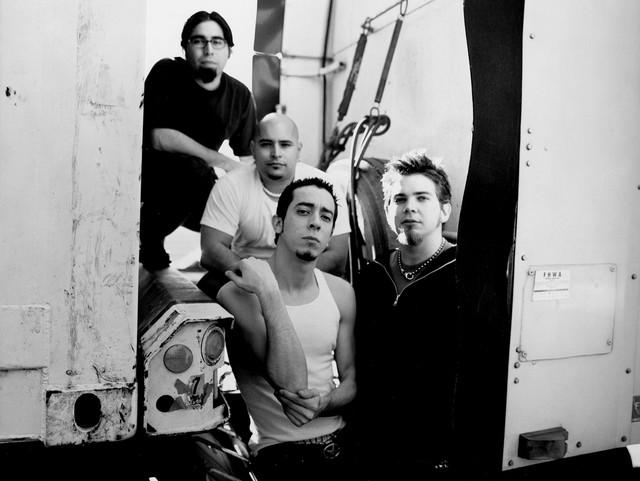
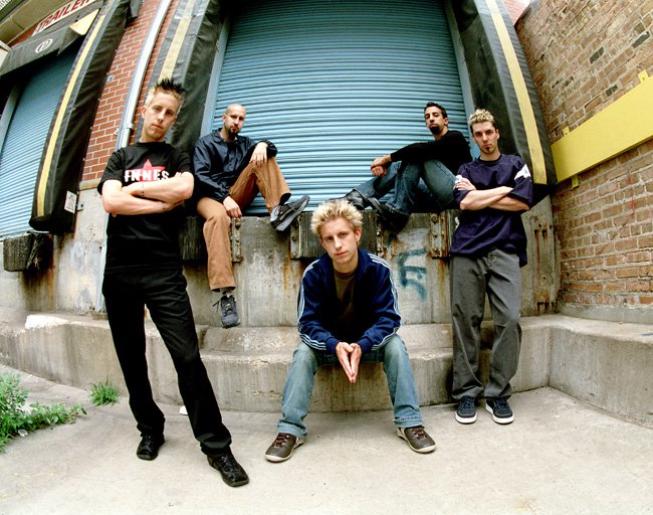
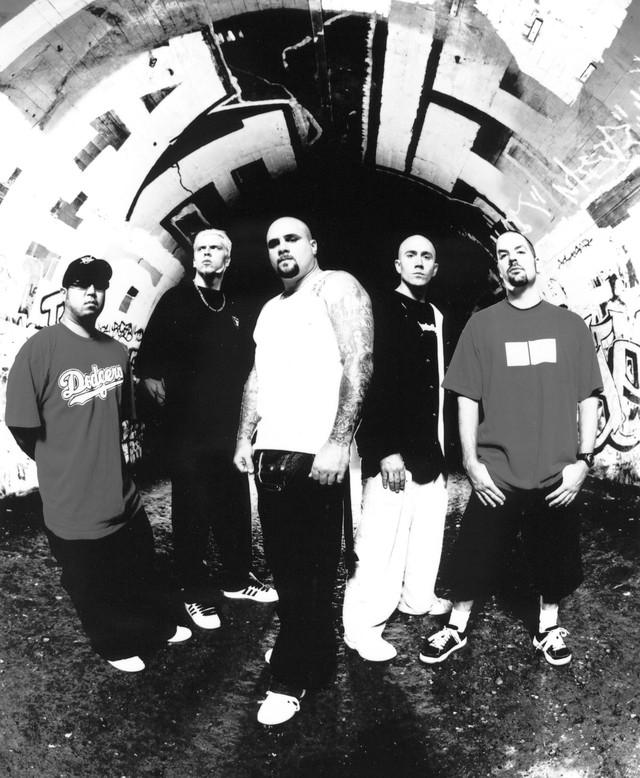
3rd Strike’s Spotify BioJim Korthe, lead singer for rap-rockers 3rd Strike, grew up in a bad neighborhood in Southern California. At a young age he joined a gang to avoid his unhealthy home life, but after growing up with violence and drug peddling, he left the gang to focus on music with his friend, guitarist Todd Deguchi. The two put together a makeshift lineup for 3rd Strike, but between several unsuccessful tours and Korthe's personal problems the band disbanded during the '90s. The two musicians continued to write together, and eventually re-formed the band with drummer PJ McMullan and bassist Gabe Hammersmith. They began recording when Pennywise guitarist Fletcher Dragge heard their demo and connected them with his management company. By the end of 2001 they had recorded their debut, Lost Angel, which was released the following May. They supported the album at both the Ozzfest and Warped tours that summer. ~ Bradley Torreano, Rovi
Viberate is a music analytics platform built for A&Rs, artist managers, labels, booking agents, marketers, and artists.
It helps music professionals track artist growth, analyze audience data, monitor playlist activity, compare artists, follow song performance, and identify opportunities across the music market.
Public artist pages provide a free preview of selected artist data. Paid plans provide access to deeper analytics, historical data, charts, comparisons, playlist tools, exports, alerts, reports, and additional professional features.
Yes. Public Viberate artist pages provide selected artist analytics and music data for free.
Viberate also offers a 7-day free trial of the full platform. A credit card is required to start the trial. The trial includes access to the complete product so users can test deeper artist analytics, historical views, playlist insights, comparisons, charts, exports, alerts, and reporting features before choosing a paid plan.
Viberate provides artist analytics across streaming, playlists, social media, video, radio airplay, songs, and audience markets.
Users can analyze Spotify performance, Spotify and Apple Music playlists, YouTube activity, TikTok and Instagram growth, radio spins, song performance, audience locations, demographics, rankings, and overall artist momentum.
Artist profiles also connect to music charts, similar artists, and comparison tools, helping users benchmark performance and evaluate artists in context.
Viberate updates key artist and track data daily.
For followed artists and tracks, selected data is refreshed multiple times per day. This helps teams monitor playlist changes, streaming movement, audience growth, releases, and campaign performance with more current data.
Update frequency can vary depending on the metric and data source.
Yes. Viberate lets users compare up to five artists side by side across streaming, social media, audience, and engagement metrics.
Users can compare fanbase growth, audience demographics, locations, Spotify performance, social metrics, and other artist data over selected time periods.
Artist comparison can be used for A&R scouting, benchmarking, booking decisions, campaign planning, and evaluating artists with similar audiences or market positions.