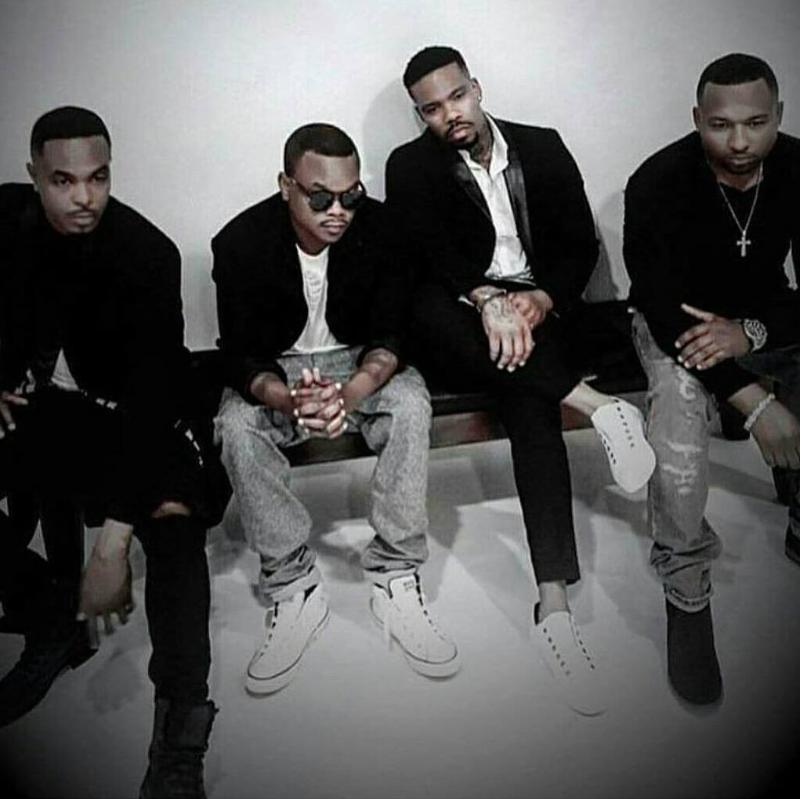
3rd Storee

R&B
Contemporary R&B
Soul
 Viberate Rank: 158539
 Viberate Rank: 158539
 Monthly ListenersFollowers
 Subscribers
 Followers
 Followers
 FansTop Spotify Songs
| Track | 7-Day Streams | |
|---|---|---|
1 | 23.22K | |
2 | 6.36K | |
3 | 4.20K | |
4 | 1.59K | |
5 | 491 |
Top YouTube VideosMonthly ListenersFeatured in Playlists| Playlist | Followers | |
|---|---|---|
1 | Soul/RnB Sunday best ❤️😍 Neilwe | 47.39K |
2 | RNB slow jams 90s & 00s ___lilith | 30.47K |
3 | R&B/Old School Ruth Park | 27.38K |
4 | Old School RnB Mashups FK1up | 17.72K |
5 |  Dreamsounds Faizza T | 16.53K |
Audience| City | Monthly Listeners | |
|---|---|---|
1 |  | 12.63K |
2 | | 6.30K |
3 | | 5.74K |
4 | | 4.40K |
5 |  | 2.52K |
See full performance history, audience data, playlist activity, rankings, comparisons, and more in Viberate music analytics. Start with a free trial, then continue with a paid plan.
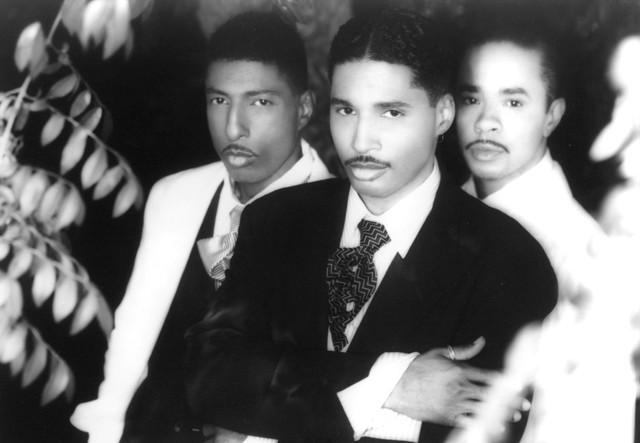
3rd Storee’s Spotify BioWith a sound that combines hip-hop, sultry R&B ballads, and funky dance music, 3rd Storee was originally formed during 1997 in the tough south central area of Los Angeles, California, USA. Comprising Kevonté (b. Kevonté Jackson, 6 February 1983, USA), Lil’ Man (b. Kenneth Pratt, 16 June 1986, USA), D’Smoove (b. Dante Clark, 10 February 1983, USA), and Jay-R (b. Barry Reed Jnr., 17 December 1983, USA), the quartet almost immediately made a breakthrough when they were signed by Edmonds Entertainment, and put on tour with Britney Spears. Owing to the success of the tour, 3rd Storee was then invited to open for ’N Sync on a national US tour, before visiting Europe for the first time during 1998, without even releasing an album. When the group returned back home, 3rd Storee signed a recording contract with Universal Records and completed work on their debut album. By the start of the new millennium lead vocalist Lil’ Man had made way for new members J’son and Gavin. Working with renowned… producers such as Nokio and Rodney Jerkins, 3rd Storee’s second album, Get With Me, was issued in 2002.
Viberate is a music analytics platform built for A&Rs, artist managers, labels, booking agents, marketers, and artists.
It helps music professionals track artist growth, analyze audience data, monitor playlist activity, compare artists, follow song performance, and identify opportunities across the music market.
Public artist pages provide a free preview of selected artist data. Paid plans provide access to deeper analytics, historical data, charts, comparisons, playlist tools, exports, alerts, reports, and additional professional features.
Yes. Public Viberate artist pages provide selected artist analytics and music data for free.
Viberate also offers a 7-day free trial of the full platform. A credit card is required to start the trial. The trial includes access to the complete product so users can test deeper artist analytics, historical views, playlist insights, comparisons, charts, exports, alerts, and reporting features before choosing a paid plan.
Viberate provides artist analytics across streaming, playlists, social media, video, radio airplay, songs, and audience markets.
Users can analyze Spotify performance, Spotify and Apple Music playlists, YouTube activity, TikTok and Instagram growth, radio spins, song performance, audience locations, demographics, rankings, and overall artist momentum.
Artist profiles also connect to music charts, similar artists, and comparison tools, helping users benchmark performance and evaluate artists in context.
Viberate updates key artist and track data daily.
For followed artists and tracks, selected data is refreshed multiple times per day. This helps teams monitor playlist changes, streaming movement, audience growth, releases, and campaign performance with more current data.
Update frequency can vary depending on the metric and data source.
Yes. Viberate lets users compare up to five artists side by side across streaming, social media, audience, and engagement metrics.
Users can compare fanbase growth, audience demographics, locations, Spotify performance, social metrics, and other artist data over selected time periods.
Artist comparison can be used for A&R scouting, benchmarking, booking decisions, campaign planning, and evaluating artists with similar audiences or market positions.