3

Rock
Alternative Rock
Progressive Metal
 Viberate Rank: 90802
 Viberate Rank: 90802
 Monthly ListenersFollowers
 Subscribers
 Followers
 Followers
 FansTop Spotify Songs
| Track | 7-Day Streams | |
|---|---|---|
1 | 1.33K | |
2 | 1.20K | |
3 | 541 | |
4 | 522 | |
5 | 338 |
Top YouTube Videos| Video | 7-Day Views | |
|---|---|---|
1 | 202 | |
2 | 172 | |
3 | 6 |
Monthly ListenersFeatured in Playlists| Playlist | Followers | |
|---|---|---|
1 | BEST GUITAR SOLOS OF ALL TIME t.riccardo | 95.19K |
2 |  Pink Floyd Covers Charlie Bravo | 2.54K |
3 |  Metal Massacre I-XIV (1982-2016) The K-tel UK Vinyl Years 1972-90 | 2.16K |
4 |  The Sound of Neo-Progressive The Sounds of Spotify | 1.95K |
5 | Prog metal - Metal progresivo juanrametal | 1.91K |
Audience| City | Monthly Listeners | |
|---|---|---|
1 | | 143 |
2 | | 105 |
3 | | 104 |
4 | | 100 |
5 | | 89 |
See full performance history, audience data, playlist activity, rankings, comparisons, and more in Viberate music analytics. Start with a free trial, then continue with a paid plan.
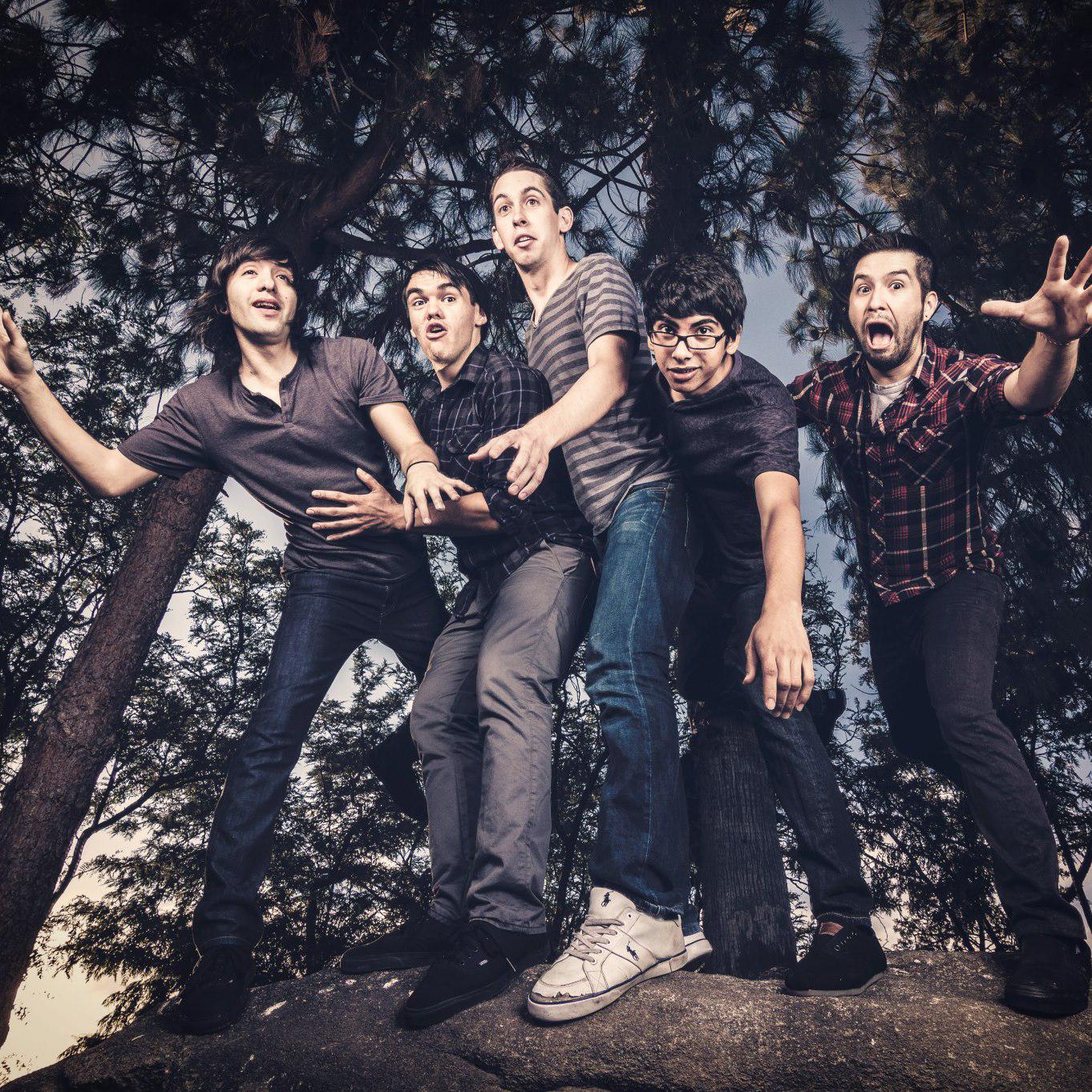
3’s Spotify BioLed by the vocals and guitar of Joey Eppard, 3 also included Chris Gartmann (drums), Billy Riker (guitar), and Joe Cuchelo (bass). The band emerged from Woodstock, NY, in the early '90s, just in time to grab a spot at the reconstituted Woodstock music festival of 1994. That exposure led to some interest from Universal but it never panned out, so the band signed instead with local indie Planet Noise. Paint by Number dropped in 2000 and displayed a fluid mix of alt-rock stylings with funk and emo textures. Half Life followed two years later, again on Planet Noise; it was a collection of live recordings accentuated with in-studio tweaking. 3 continued to tour throughout the Northeast in support of its releases; Eppard also appeared as a solo act. 2005's Wake Pig, which was initially released on Planet Noise, marked the band's first release for Metal Blade and ignited their first world tour. In 2007, 3 (vocalist and guitarist Eppard, guitarist Riker, drummer Gartmann, keyboardist and… percussionist Joe Stote, and bassist Daniel Grimsland) worked with Jerry Marotta (Peter Gabriel, Elvis Costello) to record their 2007 release, The End Is Begun. ~ Johnny Loftus, Rovi
Viberate is a music analytics platform built for A&Rs, artist managers, labels, booking agents, marketers, and artists.
It helps music professionals track artist growth, analyze audience data, monitor playlist activity, compare artists, follow song performance, and identify opportunities across the music market.
Public artist pages provide a free preview of selected artist data. Paid plans provide access to deeper analytics, historical data, charts, comparisons, playlist tools, exports, alerts, reports, and additional professional features.
Yes. Public Viberate artist pages provide selected artist analytics and music data for free.
Viberate also offers a 7-day free trial of the full platform. A credit card is required to start the trial. The trial includes access to the complete product so users can test deeper artist analytics, historical views, playlist insights, comparisons, charts, exports, alerts, and reporting features before choosing a paid plan.
Viberate provides artist analytics across streaming, playlists, social media, video, radio airplay, songs, and audience markets.
Users can analyze Spotify performance, Spotify and Apple Music playlists, YouTube activity, TikTok and Instagram growth, radio spins, song performance, audience locations, demographics, rankings, and overall artist momentum.
Artist profiles also connect to music charts, similar artists, and comparison tools, helping users benchmark performance and evaluate artists in context.
Viberate updates key artist and track data daily.
For followed artists and tracks, selected data is refreshed multiple times per day. This helps teams monitor playlist changes, streaming movement, audience growth, releases, and campaign performance with more current data.
Update frequency can vary depending on the metric and data source.
Yes. Viberate lets users compare up to five artists side by side across streaming, social media, audience, and engagement metrics.
Users can compare fanbase growth, audience demographics, locations, Spotify performance, social metrics, and other artist data over selected time periods.
Artist comparison can be used for A&R scouting, benchmarking, booking decisions, campaign planning, and evaluating artists with similar audiences or market positions.