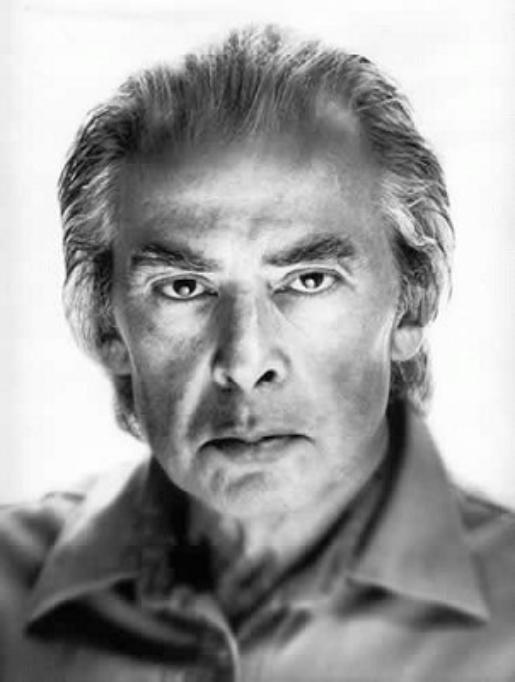
3 Hürel

Rock
Pop Rock
Psychedelic Rock
Turkish Folk
 Viberate Rank: 88592
 Viberate Rank: 88592
 Monthly ListenersFollowers
 Subscribers
 Followers
 Followers
 FansTop Spotify Songs
| Track | 7-Day Streams | |
|---|---|---|
1 | 59.09K | |
2 | 44.10K | |
3 | 9.81K | |
4 | 4.32K | |
5 | 3.23K |
Top YouTube VideosMonthly ListenersFeatured in Playlists| Playlist | Followers | |
|---|---|---|
1 |  Anadolu Rock Spotify | 328.61K |
2 |  Türkçe 70'ler Spotify | 303.48K |
3 |  ANADOLU ROCK 🤟🏻🎸 Ayşenur | 71.79K |
4 |  Love 101 Official Playlist Netflix | 41.89K |
5 |  Eski, güzel şarkılar elif | 39.60K |
Audience| City | Monthly Listeners | |
|---|---|---|
1 | | 74.01K |
2 | | 31.89K |
3 | | 18.51K |
4 | | 10.79K |
5 | | 6.38K |
See full performance history, audience data, playlist activity, rankings, comparisons, and more in Viberate music analytics. Start with a free trial, then continue with a paid plan.
3 Hürel’s Spotify Bio3 Hur-El were one Turkey's most popular "Anatolian rock" bands. Comprised of three brothers, Onur (bass), Haldun (drums), and Feridun Hurel (guitar, saz, vocals), they followed the lead of Mogollar and performed some of the best examples of the genre. They wrote their own sometimes folk-driven Anatolian pop/rock, but they also paraphrased some classic folk songs with considerable ingenuity. Although their fame was short-lived, they helped improve the Turkish culture's stance toward rock music. All three brothers were born in Trabzon (Onur in 1948, Haldun in 1949, and Feridun in 1951), the largest city on the northern coast of Turkey. They moved to Istanbul due to their father's business; since they were members of a rather poor family, they were attentive to foreign musical developments but couldn't buy any instruments to play. But their desire to make music was soon realized when their father came home with an accordion, and the seeds of their later musical journey began to take root.… In 1966 they formed their first band, Yankilar, which was later renamed as Istanbul Dortlusu. They performed in small music halls and tried to make their own innovative synthesis of Turkish music and traditional rock forms. The brothers later formed a number of other bands, including Trio Istanbul, Oguzlar, and Biraderler, to name a few.
As years went on, the brothers received good reviews from the underground magazine Diskotek and increased their popularity. They tried to live according to their musical philosophy, with long hair and hippie outfits -- although they were still in high school. Feridun was even kicked out of school for his inappropriate behavior. After graduation from high school, they were ready to hit it big time, but Feridun chose to play and tour with the Selcuk Alagöz Orchestra. The other two brothers would later join the same band to gain experience and earn money to buy new equipment. In 1970 the brothers decided to embark on their own. They left the Selcuk Alagöz Orchestra and a busload of instruments behind to form 3 Hur-El. The name has always been problematic, as some people wrote the name as "3" and others spelled the number out with the Turkish "Uc." Also, Hurel is their last name, but as they used it on some of their covers, when written as Hur-El it takes on the meaning "Free Hand" -- signifying that the three brothers were now free to do whatever they wanted without any restrictions. Their first achievement was to invent an instrument that would combine an electric guitar and an electric baglama in the same body -- the result formed the main ingredient of their signature sound and was dubbed the "double-neck saz-guitar." However, 3 Hur-El's innovations were not limited to this instrument: drummer Haldun Hurel combined traditional rock instruments with custom-made darbukas and other percussion instruments to create a synthesis of East and West.
After their first single in 1970, "Ve Olum/Seytan Bunun Neresinde," they released more than ten singles in six years. Although "Madalyonun Ters Yuzu," "Ben Gecerim Gonul Gecmez," and "Seytan Bunun Neresinde" were considerable hits, their most popular song was "Sevenler Aglarmis," which had a rougher guitar tone than their other music to date. They also collected some of their previous singles on two LPs in 1973 and 1974; the initial LP won the first-ever gold status in Turkey. Apart from the band's singles, Feridun Hurel released a solo single, "Bir Sevmek Bin Defa Olmek Demekmis," which also became an instant hit. In 1977, Haldun and Feridun left the band for mandatory military service, and during their period of service lost their mother in a traffic accident. Onur and Haldun immediately quit music; Feridun traveled to England to make a fresh start, but returned without any significant accomplishments and also decided to abandon his musical career. Subsequently, Onur became an instructor, Haldun started a business in ceramics and textiles, and Feridun chose advertising. However, in 1996 they returned with an album called Efsane... Yeniden (Legend... Again), and they released their latest effort, 1953 Hurel, in 1999. Both albums continued the sounds and song structures of their previous efforts, but they weren't welcomed enthusiastically by the new generation. 3 Hur-El have generally remained out of the spotlight since then, aside from occasional performances. ~ Vefik Karaege, Rovi
Viberate is a music analytics platform built for A&Rs, artist managers, labels, booking agents, marketers, and artists.
It helps music professionals track artist growth, analyze audience data, monitor playlist activity, compare artists, follow song performance, and identify opportunities across the music market.
Public artist pages provide a free preview of selected artist data. Paid plans provide access to deeper analytics, historical data, charts, comparisons, playlist tools, exports, alerts, reports, and additional professional features.
Yes. Public Viberate artist pages provide selected artist analytics and music data for free.
Viberate also offers a 7-day free trial of the full platform. A credit card is required to start the trial. The trial includes access to the complete product so users can test deeper artist analytics, historical views, playlist insights, comparisons, charts, exports, alerts, and reporting features before choosing a paid plan.
Viberate provides artist analytics across streaming, playlists, social media, video, radio airplay, songs, and audience markets.
Users can analyze Spotify performance, Spotify and Apple Music playlists, YouTube activity, TikTok and Instagram growth, radio spins, song performance, audience locations, demographics, rankings, and overall artist momentum.
Artist profiles also connect to music charts, similar artists, and comparison tools, helping users benchmark performance and evaluate artists in context.
Viberate updates key artist and track data daily.
For followed artists and tracks, selected data is refreshed multiple times per day. This helps teams monitor playlist changes, streaming movement, audience growth, releases, and campaign performance with more current data.
Update frequency can vary depending on the metric and data source.
Yes. Viberate lets users compare up to five artists side by side across streaming, social media, audience, and engagement metrics.
Users can compare fanbase growth, audience demographics, locations, Spotify performance, social metrics, and other artist data over selected time periods.
Artist comparison can be used for A&R scouting, benchmarking, booking decisions, campaign planning, and evaluating artists with similar audiences or market positions.