3 Daft Monkeys

Rock
Alternative Rock
Folk
 Viberate Rank: 206803
 Viberate Rank: 206803
 Monthly ListenersFollowers
 Subscribers
 Followers
 Followers
 FansTop Spotify Songs
| Track | 7-Day Streams | |
|---|---|---|
1 | 716 | |
2 | 642 | |
3 | 303 | |
4 | 277 | |
5 | 243 |
Top YouTube VideosMonthly ListenersFeatured in Playlists| Playlist | Followers | |
|---|---|---|
1 |  Glastonbury 2019 RM | 14.13K |
2 |  Glastonbury 2022 RM | 4.50K |
3 | Glastonbury 2015 RM | 4.03K |
4 | Glastonbury 2016 RM | 3.79K |
5 |  The Entire Sonic Forces Script shooty | 3.46K |
Audience| City | Monthly Listeners | |
|---|---|---|
1 | | 336 |
2 | | 149 |
3 | | 101 |
4 | | 94 |
5 | | 87 |
See full performance history, audience data, playlist activity, rankings, comparisons, and more in Viberate music analytics. Start with a free trial, then continue with a paid plan.
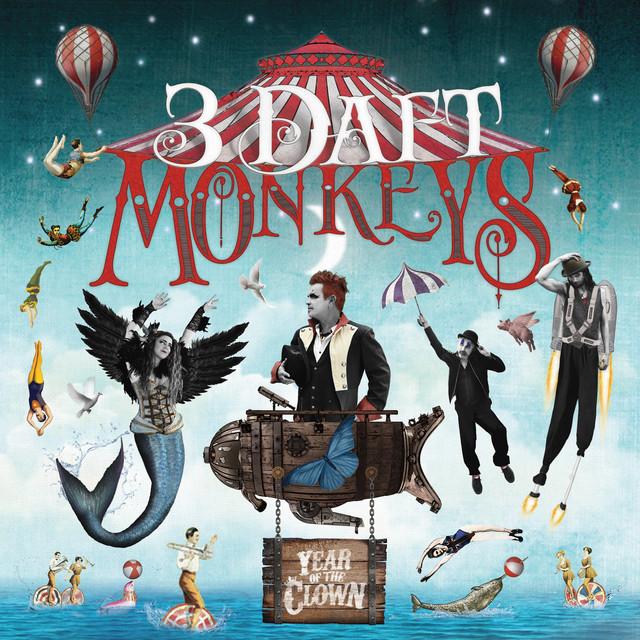
3 Daft Monkeys’ Spotify BioFormed in 2000 by Tim Ashton (vocals, guitar, percussion, whistle), Athene Roberts (fiddle, vocals), and Rich Mulryne (drums, percussion), 3 Daft Monkeys are ultimately regarded as a folk trio, yet their astonishingly diverse range of influences render genre pigeonholing almost impossible. Their main inspiration musically appears to be the Cornish and Celtic folk music traditions of their adopted home county Cornwall, in the south-west of England. They combine this with other world folk styles, such as Balkan and Gypsy, together with dance and reggae rhythms. Since they formed in 2000 the band has produced a series of EPs and live albums on its 3DM record label, with Jamie Waters (bass) replacing Mulryne from the debut Brouhaha onwards. In December 2004 the trio released their "proper" debut album Hubbadillia, also on their own label. Without any financial backing, they have relied purely on word of mouth to publicize their recordings, as well as a virtually non-stop worldwide touring… schedule. Their electrifying, high-octane live shows, either at a major festival or in a tiny local pub, are something they take great pride in, and they invariably have the entire crowd, big or small, dancing to them. The album, which has sold steadily, has been highly acclaimed by folk music critics, and has received airplay on BBC Radio 2. ~ TiVo Staff, Rovi
Viberate is a music analytics platform built for A&Rs, artist managers, labels, booking agents, marketers, and artists.
It helps music professionals track artist growth, analyze audience data, monitor playlist activity, compare artists, follow song performance, and identify opportunities across the music market.
Public artist pages provide a free preview of selected artist data. Paid plans provide access to deeper analytics, historical data, charts, comparisons, playlist tools, exports, alerts, reports, and additional professional features.
Yes. Public Viberate artist pages provide selected artist analytics and music data for free.
Viberate also offers a 7-day free trial of the full platform. A credit card is required to start the trial. The trial includes access to the complete product so users can test deeper artist analytics, historical views, playlist insights, comparisons, charts, exports, alerts, and reporting features before choosing a paid plan.
Viberate provides artist analytics across streaming, playlists, social media, video, radio airplay, songs, and audience markets.
Users can analyze Spotify performance, Spotify and Apple Music playlists, YouTube activity, TikTok and Instagram growth, radio spins, song performance, audience locations, demographics, rankings, and overall artist momentum.
Artist profiles also connect to music charts, similar artists, and comparison tools, helping users benchmark performance and evaluate artists in context.
Viberate updates key artist and track data daily.
For followed artists and tracks, selected data is refreshed multiple times per day. This helps teams monitor playlist changes, streaming movement, audience growth, releases, and campaign performance with more current data.
Update frequency can vary depending on the metric and data source.
Yes. Viberate lets users compare up to five artists side by side across streaming, social media, audience, and engagement metrics.
Users can compare fanbase growth, audience demographics, locations, Spotify performance, social metrics, and other artist data over selected time periods.
Artist comparison can be used for A&R scouting, benchmarking, booking decisions, campaign planning, and evaluating artists with similar audiences or market positions.