28 Days

Punk
Punk Rock
Rap Metal
Pop Punk
 Viberate Rank: 107880
 Viberate Rank: 107880
 Monthly ListenersFollowers
 Subscribers
 Followers
 Followers
 FansTop Spotify Songs
| Track | 7-Day Streams | |
|---|---|---|
1 | 36.83K | |
2 | 13.47K | |
3 | 10.17K | |
4 | 5.85K | |
5 | 3.12K |
Top YouTube Videos| Video | 7-Day Views | |
|---|---|---|
1 | 5 | |
2 | 1 | |
3 | 1 |
Monthly ListenersFeatured in Playlists| Playlist | Followers | |
|---|---|---|
1 |  Rap 'n' Roll Spotify | 351.86K |
2 |  Aussie Alternative Classics Spotify | 216.53K |
3 | Pop Punk '90s & '00s Sam Bray | 30.08K |
4 |  Triple J Hottest 100 1993-2018 deñt | 29.34K |
5 |  Bee Movie Justas Janušauskas | 28.31K |
Audience| City | Monthly Listeners | |
|---|---|---|
1 | | 19.56K |
2 | | 18.80K |
3 | | 18.45K |
4 | | 12.77K |
5 | | 7.16K |
See full performance history, audience data, playlist activity, rankings, comparisons, and more in Viberate music analytics. Start with a free trial, then continue with a paid plan.
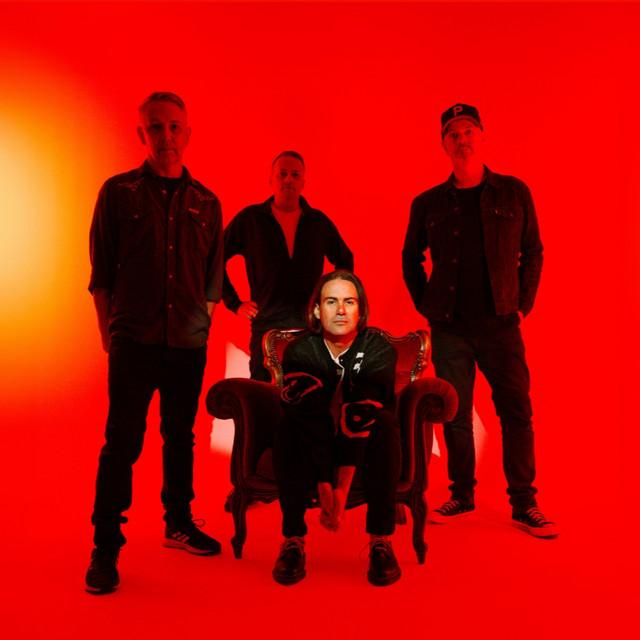
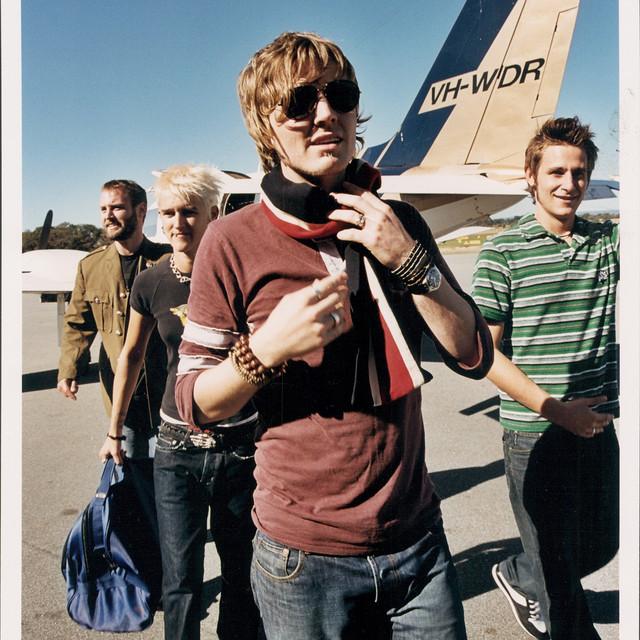
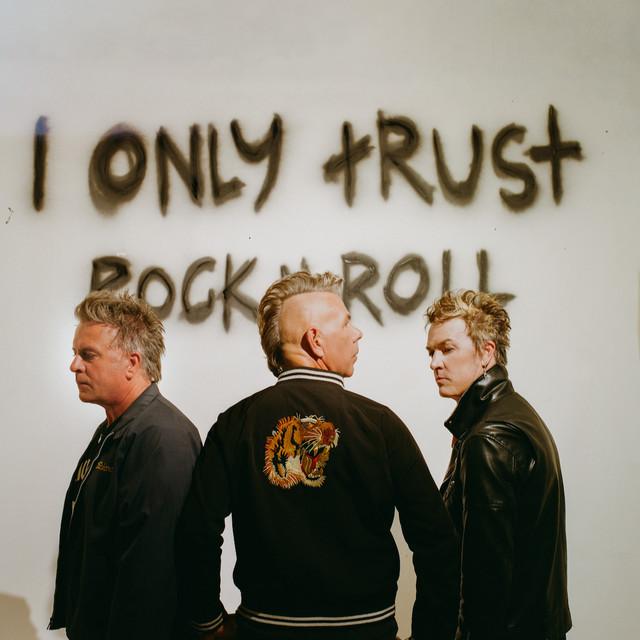
28 Days’ Spotify Bio28 Days held the potentially dubious title of being Australia's premier rap-metal band, which they nevertheless parlayed into a lucrative ten-year career that included two gold albums, one of which entered the charts at number one. The band was formed in Frankston in 1997 by a group of skaters who met at the local skate park. Vocalist Jay Dunne and guitarist Simon Hepburn had worked together both on graffiti and several punk and hardcore bands including Self Reliance; bassist Damian Gardiner and drummer Adam Bomber were members of the same Melbourne skate-punk scene. When they formed 28 Days, Dunne's worship of the Beastie Boys came to the fore and he began rapping most of his vocals on their self-titled debut album, released independently in 1998 on the Stubble imprint. Within a year they'd been chosen by Festival Mushroom to be representatives of their new label for up-and-comers, Sputnik. The band replaced Bomber with new drummer Scott Murray and added turntablist Jay Howard aka DJ… Jedi Master Jay for even more of a hip-hop sound. Their Limp Bizkit-esque single "Rip It Up" and its video showing the band playing to a moshing festival crowd became fixtures on radio and television; by the time their second album, Upstyle Down, was released their popularity was already peaking and it immediately entered at the top of the album charts.
In November of 2001 drummer Scott Murray was run over and killed while walking home after band practice. The band carried on, temporarily replacing Murray with Vinnie Jukic for their 2002 album Stealing Chairs, dedicated to one of Murray's favorite activities. Afterwards, 28 Days found themselves in national newspapers for all the wrong reasons when they and their fans were accused of causing $4,500 worth of damage at a concert by rival Sydney band the Drugs. The lead singer of the Drugs, Ian Baddley, had previously written an open letter to Jay Dunne of 28 Days accusing him of making homophobic and misogynistic comments to the audience at the Big Day Out festival, which they had shared billing at. He also accused Dunne of ignorantly referring to German band Rammstein as "Nazis."
Desperately needing to revamp their image, 28 Days cycled through new drummers before settling on Adrian Griffin and recording Extremist Makeover in 2004. Rap-metal's day had passed, however, and the album was not a success. They left Sputnik soon after and attempted a comeback with their 2006 EP Bring Em Back, released on their own label. It turned out to be their last hurrah, however, and after a farewell tour and greatest-hits compilation (Ten Years of Cheap Fame) in 2007 the band broke up. ~ Jody Macgregor, Rovi
Viberate is a music analytics platform built for A&Rs, artist managers, labels, booking agents, marketers, and artists.
It helps music professionals track artist growth, analyze audience data, monitor playlist activity, compare artists, follow song performance, and identify opportunities across the music market.
Public artist pages provide a free preview of selected artist data. Paid plans provide access to deeper analytics, historical data, charts, comparisons, playlist tools, exports, alerts, reports, and additional professional features.
Yes. Public Viberate artist pages provide selected artist analytics and music data for free.
Viberate also offers a 7-day free trial of the full platform. A credit card is required to start the trial. The trial includes access to the complete product so users can test deeper artist analytics, historical views, playlist insights, comparisons, charts, exports, alerts, and reporting features before choosing a paid plan.
Viberate provides artist analytics across streaming, playlists, social media, video, radio airplay, songs, and audience markets.
Users can analyze Spotify performance, Spotify and Apple Music playlists, YouTube activity, TikTok and Instagram growth, radio spins, song performance, audience locations, demographics, rankings, and overall artist momentum.
Artist profiles also connect to music charts, similar artists, and comparison tools, helping users benchmark performance and evaluate artists in context.
Viberate updates key artist and track data daily.
For followed artists and tracks, selected data is refreshed multiple times per day. This helps teams monitor playlist changes, streaming movement, audience growth, releases, and campaign performance with more current data.
Update frequency can vary depending on the metric and data source.
Yes. Viberate lets users compare up to five artists side by side across streaming, social media, audience, and engagement metrics.
Users can compare fanbase growth, audience demographics, locations, Spotify performance, social metrics, and other artist data over selected time periods.
Artist comparison can be used for A&R scouting, benchmarking, booking decisions, campaign planning, and evaluating artists with similar audiences or market positions.