13 & God

Rock
Indie Rock
Alternative Hip Hop
 Viberate Rank: 185205
 Viberate Rank: 185205
 Monthly ListenersFollowers
 Subscribers
 Followers
 Followers
 FansTop Spotify Songs
| Track | 7-Day Streams | |
|---|---|---|
1 | 2.08K | |
2 | 469 | |
3 | 444 | |
4 | 339 | |
5 | 187 |
Top YouTube VideosMonthly ListenersFeatured in Playlists| Playlist | Followers | |
|---|---|---|
1 |  The Young Pope - Soundtrack Federico De Palma | 23.34K |
2 |  Duyster (all tracks ever played) Wike | 8.15K |
3 | Eternal Sunshine Of The Spotless Mind Jessica Basile | 8.10K |
4 | Young Pope + The New Pope + monsunmusic | 8.09K |
5 |  Reflektor Viertausendhertz | 4.38K |
Audience| City | Monthly Listeners | |
|---|---|---|
1 |  | 192 |
2 | | 99 |
3 | | 97 |
4 | | 95 |
5 | | 91 |
See full performance history, audience data, playlist activity, rankings, comparisons, and more in Viberate music analytics. Start with a free trial, then continue with a paid plan.
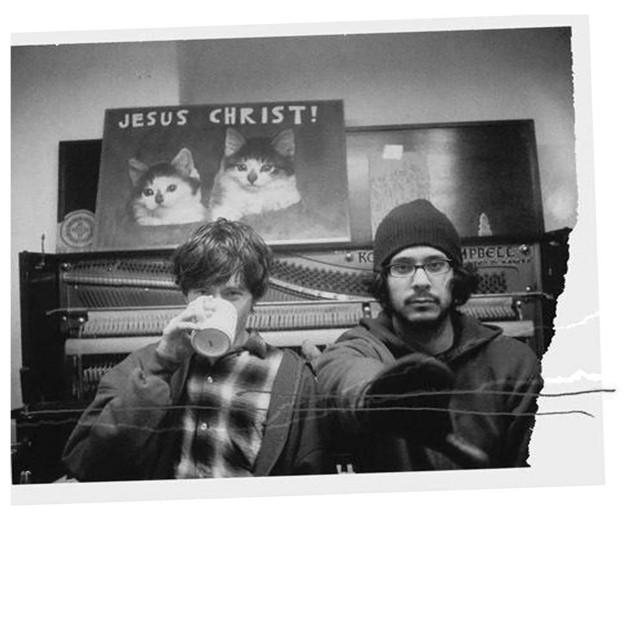
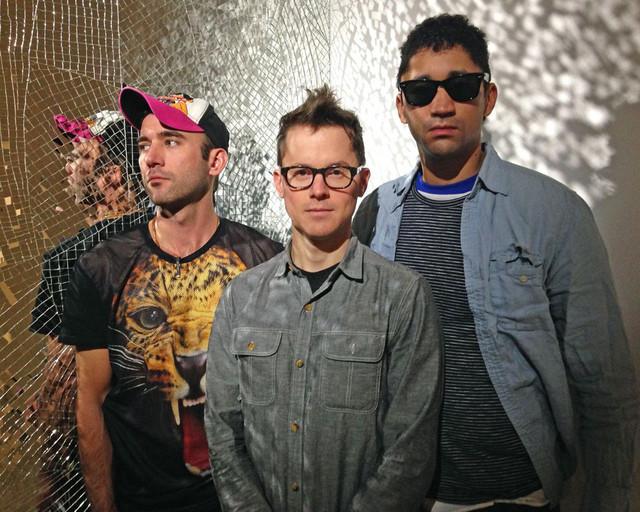
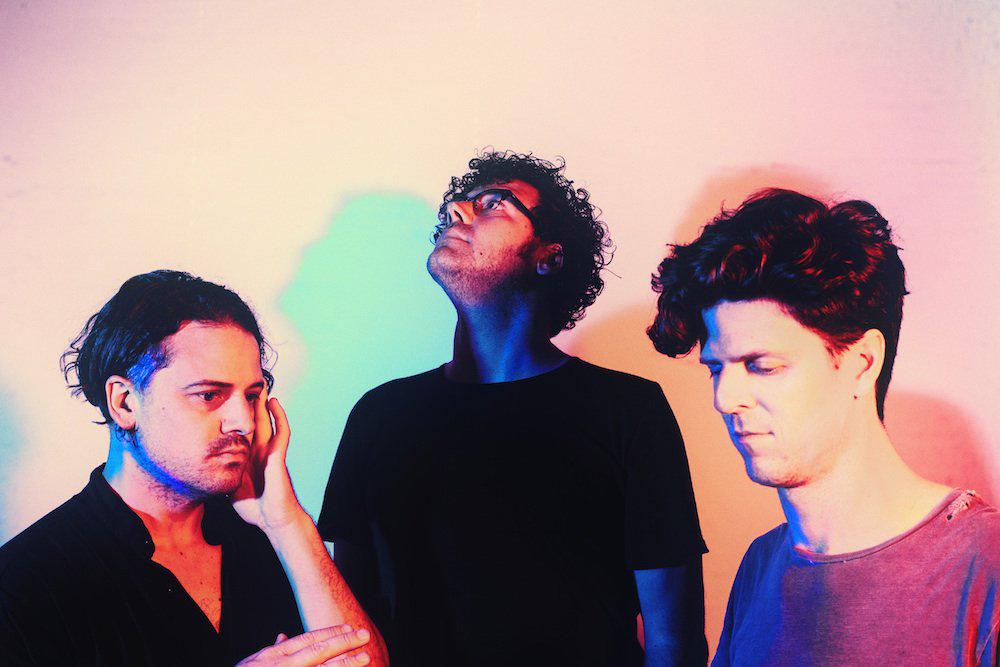
13 & God’s Spotify BioAnticon label members Themselves (Adam "Doseone" Drucker, Jerry "Jel" Logan, Dax Pierson) and Germany's the Notwist (Markus Acher, Micha Acher, Martin Gretschmann, Martin Messerschmid) have never been strangers to genre-exploring collaboration (Doseone's involvement in Subtle and cLOUDDEAD, the Acher brothers in Village of Savoonga, and Gretschmann's work as Console), and the idea of creating a record together had been brewing for some time in the minds of Themselves, who had been listening to the Notwist's Neon Golden during their European tour. Notwist vocalist/guitarist Markus Acher was in the audience at a Themselves show in Munich, and a joint tour was informally arranged. 13 & God were spawned during the last of many bus breakdowns during this tour, and in September 2004, after months of sending demos back and forth, the two groups united in Munich and spent 17 days there, recording 13 & God's self-titled debut in Micha Acher's Transistor Studios. ~ Marisa Brown, Rovi
Viberate is a music analytics platform built for A&Rs, artist managers, labels, booking agents, marketers, and artists.
It helps music professionals track artist growth, analyze audience data, monitor playlist activity, compare artists, follow song performance, and identify opportunities across the music market.
Public artist pages provide a free preview of selected artist data. Paid plans provide access to deeper analytics, historical data, charts, comparisons, playlist tools, exports, alerts, reports, and additional professional features.
Yes. Public Viberate artist pages provide selected artist analytics and music data for free.
Viberate also offers a 7-day free trial of the full platform. A credit card is required to start the trial. The trial includes access to the complete product so users can test deeper artist analytics, historical views, playlist insights, comparisons, charts, exports, alerts, and reporting features before choosing a paid plan.
Viberate provides artist analytics across streaming, playlists, social media, video, radio airplay, songs, and audience markets.
Users can analyze Spotify performance, Spotify and Apple Music playlists, YouTube activity, TikTok and Instagram growth, radio spins, song performance, audience locations, demographics, rankings, and overall artist momentum.
Artist profiles also connect to music charts, similar artists, and comparison tools, helping users benchmark performance and evaluate artists in context.
Viberate updates key artist and track data daily.
For followed artists and tracks, selected data is refreshed multiple times per day. This helps teams monitor playlist changes, streaming movement, audience growth, releases, and campaign performance with more current data.
Update frequency can vary depending on the metric and data source.
Yes. Viberate lets users compare up to five artists side by side across streaming, social media, audience, and engagement metrics.
Users can compare fanbase growth, audience demographics, locations, Spotify performance, social metrics, and other artist data over selected time periods.
Artist comparison can be used for A&R scouting, benchmarking, booking decisions, campaign planning, and evaluating artists with similar audiences or market positions.