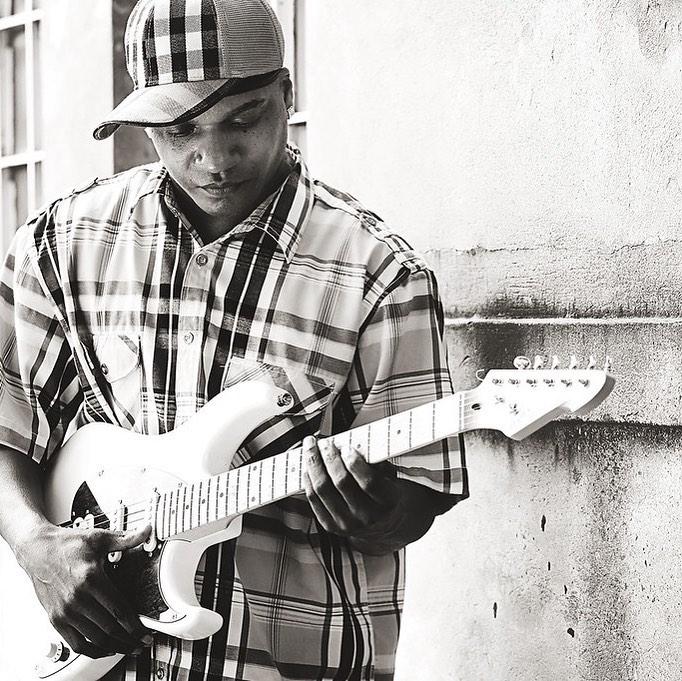
11 Guys Quartet

Blues
Contemporary Blues
Blues Rock
 Viberate Rank: 106307
 Viberate Rank: 106307
 Monthly ListenersFollowers
 Subscribers
 Followers
 Followers
 FansTop Spotify Songs
| Track | 7-Day Streams | |
|---|---|---|
1 | 34 | |
2 | 30 | |
3 | 27 | |
4 | 20 | |
5 | 16 |
Top YouTube Videos| Video | 7-Day Views | |
|---|---|---|
1 | 78 | |
2 | 35 | |
3 | 23 | |
4 | 9 | |
5 | 8 |
Monthly ListenersFeatured in Playlists| Playlist | Followers | |
|---|---|---|
1 |  #Frankymostro frankymostro | 17.16K |
2 |  Blues-Rock Guitar Heroes Jorge Alonso Parra | 3.41K |
Audience| City | Monthly Listeners | |
|---|---|---|
1 |  | 70 |
2 |  | 64 |
3 | | 23 |
4 | | 23 |
5 | | 23 |
See full performance history, audience data, playlist activity, rankings, comparisons, and more in Viberate music analytics. Start with a free trial, then continue with a paid plan.
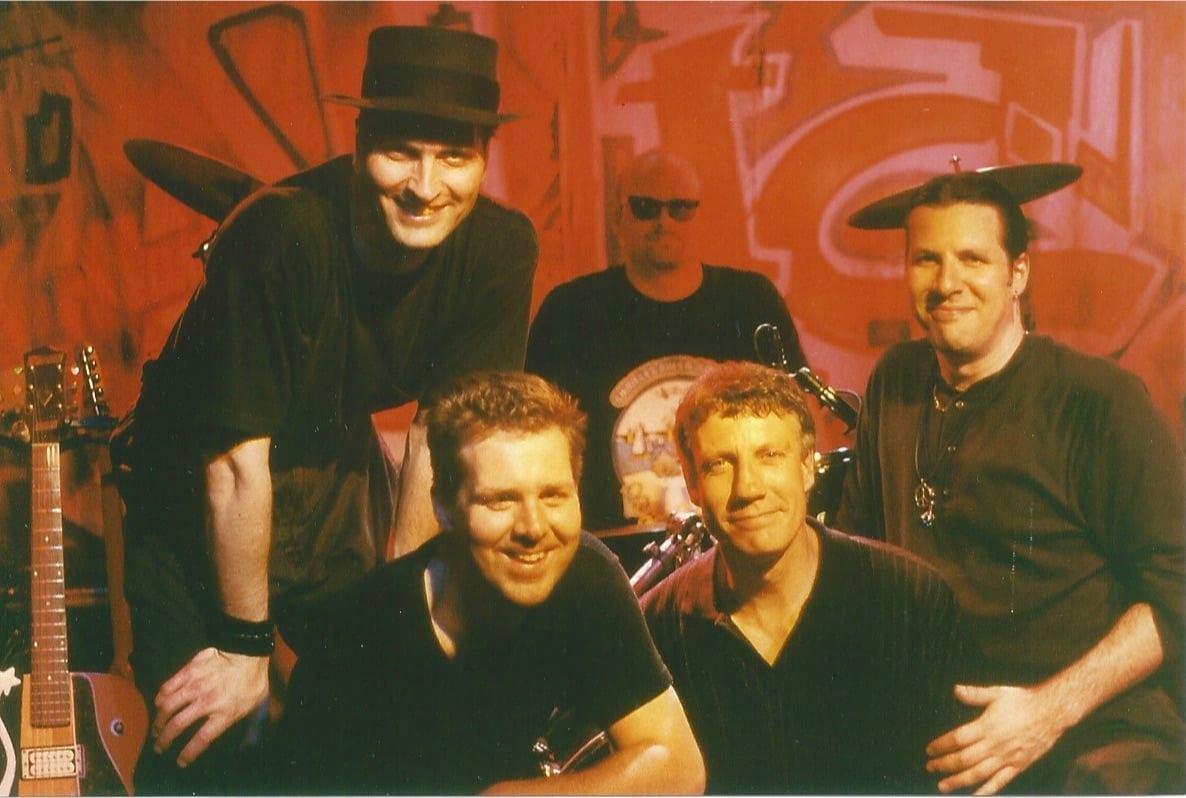
11 Guys Quartet’s Spotify BioThe 11 GUYS QUARTET is: Paul Lenart (guitar), Bill Mather (bass), Paul Lenart (guitar) Chuck Purro (drums), and Richard Rosenblatt (harmonica
Billy, Paul, Chuck and Rosy got together in the early 1980s as the 11th Hour Band – played some great rockin’ blues, hit the Boston area clubs and had some wild times. They released “Hot Time In The City Tonight” in 1985, the first album on the fledgling Tone-Cool Records imprint, and went on to play together off and on for the next few decades. They all stayed busy with other pursuits, musical and otherwise, but their unique musical chemistry and friendship kept bringing the “11 Guys” back to their original quartet.
Around 2008 they decided to go into the studio to record some original instrumentals — straight-ahead, unadorned live takes, mood pieces and variations — no screaming solos, all self-contained and, well… small. After considering the possibilities for another decade or so, they decided it was time to release this music to the world in… January, 2020 as “11 GUYS QUARTET - SMALL BLUES AND GROOVES.” No one was more surprised than them to see the album climb the blues radio charts and be showered internationally with 4-star reviews that hailed them as “masterful, understated and just plain cool.”
During pandemic isolation, they began recording again, so far releasing “The Rona Stomp” and “Lightning Road.”
Viberate is a music analytics platform built for A&Rs, artist managers, labels, booking agents, marketers, and artists.
It helps music professionals track artist growth, analyze audience data, monitor playlist activity, compare artists, follow song performance, and identify opportunities across the music market.
Public artist pages provide a free preview of selected artist data. Paid plans provide access to deeper analytics, historical data, charts, comparisons, playlist tools, exports, alerts, reports, and additional professional features.
Yes. Public Viberate artist pages provide selected artist analytics and music data for free.
Viberate also offers a 7-day free trial of the full platform. A credit card is required to start the trial. The trial includes access to the complete product so users can test deeper artist analytics, historical views, playlist insights, comparisons, charts, exports, alerts, and reporting features before choosing a paid plan.
Viberate provides artist analytics across streaming, playlists, social media, video, radio airplay, songs, and audience markets.
Users can analyze Spotify performance, Spotify and Apple Music playlists, YouTube activity, TikTok and Instagram growth, radio spins, song performance, audience locations, demographics, rankings, and overall artist momentum.
Artist profiles also connect to music charts, similar artists, and comparison tools, helping users benchmark performance and evaluate artists in context.
Viberate updates key artist and track data daily.
For followed artists and tracks, selected data is refreshed multiple times per day. This helps teams monitor playlist changes, streaming movement, audience growth, releases, and campaign performance with more current data.
Update frequency can vary depending on the metric and data source.
Yes. Viberate lets users compare up to five artists side by side across streaming, social media, audience, and engagement metrics.
Users can compare fanbase growth, audience demographics, locations, Spotify performance, social metrics, and other artist data over selected time periods.
Artist comparison can be used for A&R scouting, benchmarking, booking decisions, campaign planning, and evaluating artists with similar audiences or market positions.