Kristian Gorenc Z
Aug 18, 2026



Spotify gives you several ways to retrace your listening steps. Whether you're looking for a track you heard earlier in the day or trying to revisit a playlist that matched your mood, the platform keeps an accessible history of your activity. This makes it easy to pick up where you left off, find inspiration, or organize your saved music more efficiently.
You can view this history on both the mobile and desktop versions of Spotify. On mobile, the main navigation includes a section dedicated to your past sessions. Tapping it shows the playlists, albums, and artists you've listened to recently, arranged chronologically. On desktop, the left-hand navigation bar offers a similar option. Selecting it displays your full listening trail, letting you scan through songs and collections you’ve played in the last days and weeks.
Spotify’s interface also remembers a more detailed list of individual tracks. In the desktop app, you can open the queue window and switch to the history tab, where you’ll see songs played in recent sessions. This is helpful when you want to find a specific track rather than a playlist or album.
Some users want to check their history through their "spotify recently listened to" data. Spotify does provide this feature in an intuitive way, but it is limited to your personal account and doesn’t offer deeper analytics. If you only need to revisit what you heard earlier, this built‑in feature is enough. If you want to gain insights into trends, genres, patterns, or your professional work depends on more structured data, then the native history will feel restrictive. For more advanced analysis, especially in a professional context, external analytics tools become important.
If you’re a musician, manager, label, or promoter, your job requires more than seeing a list of tracks you or your listeners played. You need structured insights, long‑term trends, performance context, and tools that help you understand audience behavior. That’s where a dedicated analytics platform comes in.
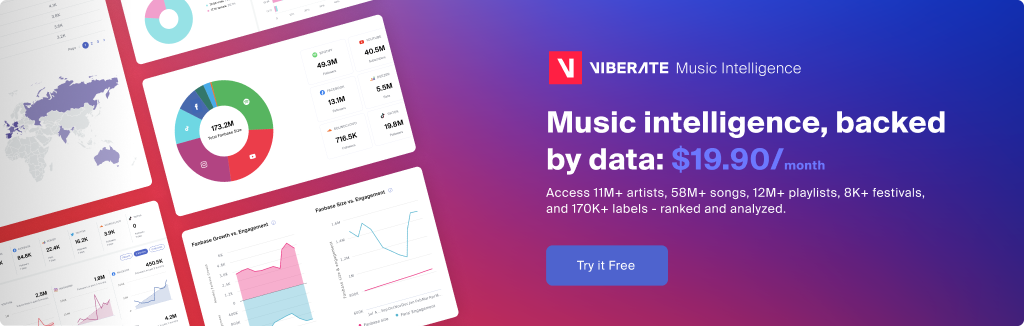
Viberate provides a professional‑grade system built specifically for the music industry. It offers data for more than 11 million artists, giving you a wide and accurate picture of streaming activity across Spotify. Unlike the standard history feature, this includes everything from monthly listener trends to playlist performance and geographic audience breakdowns.
Using a proper analytics solution helps people in the industry work faster and make decisions based on facts. For example, reviewing monthly listener data can show whether a new release had an immediate effect or whether the audience grew gradually. You can also compare an artist’s results with the broader industry, which helps you understand if the numbers match expectations.

Playlist analytics are another key element. Spotify playlists play a major role in shaping an artist’s reach, but tracking them manually is nearly impossible. Viberate shows every playlist placement and gives you tools to filter, rank, and analyze where songs are featured. This helps you identify opportunities to expand your reach or target specific curators.
In addition, audience geolocation is crucial for planning promotions, tour stops, or collaborations. Viberate visualizes Spotify listener locations on an interactive map. You can see how many listeners come from particular countries or cities, allowing you to invest your promotional budget where it makes sense. These insights also support strategic planning around live shows, local marketing, or growth campaigns.
The platform’s song‑level analysis brings even more value. You can see how every single release is performing, from all‑time streams down to the last seven days. Songs can be sorted by release date, filtered by timeframe, and compared side by side. This makes it easier to evaluate catalog performance, select focus tracks for promotion, or understand how older releases are aging.
Streaming ratios help clarify how efficiently an artist converts attention. Listener‑to‑follower and streams‑to‑listener ratios show the relationship between different metrics, indicating whether awareness is turning into fanbase growth. These indicators help managers and artists interpret their streaming trajectory instead of relying on a single metric.
Another feature that supports industry work is trend tracking. Performance highlights show moments when an artist experiences a spike in streams or listeners. This helps you identify events, playlist placements, or outside influences that caused the change. Understanding these patterns is important for planning future releases or refining your marketing timing.
Collaboration planning is also part of Viberate’s ecosystem. The platform shows artists with overlapping fanbases, which is helpful for finding potential features, tour partners, or remix opportunities. Sorting these suggestions by monthly listeners gives you an immediate sense of scale. This goes far beyond what Spotify’s built‑in tools offer.
You can also explore charts tailored for talent discovery. Sorting by genre, country, or trending status helps A&R teams, booking agents, and managers find artists aligned with current movements in the market. This speeds up research and offers a structured way to identify emerging talent.
All these features make Viberate a more advanced option for anyone whose work relies on understanding streaming performance. If your needs go beyond simply checking your "spotify recently listened to" history, then using a professional analytics platform provides a clear advantage.
Most Spotify users start by using the app for personal listening. When you begin exploring deeper data, you start to see how listening behavior shapes broader trends. Discovering your own listening history can spark curiosity about how others engage with your music or your artists.
Taking this curiosity a step further leads naturally to analytics. Professionals work with data that reflects real market behavior. This makes campaigns more accurate, reduces guesswork, and supports long‑term growth.
By combining your personal listening experience with advanced analytics tools, you get a full picture. You understand what you hear in your daily life, and you gain insight into how millions of listeners behave globally. This combination supports smarter decisions in marketing, A&R, bookings, and release planning.
If you want to explore deeper insights, Viberate provides a detailed analytics environment designed for industry use. To learn more, visit the official Viberate Spotify Analytics page and explore how professional data supplements everyday listening: .
Source of music data: Viberate.com
-
📌 Viberate - Music Intelligence is the data & AI layer behind music analytics, connecting artist discovery, audiences, playlists, tracks, Spotify, TikTok, YouTube, streaming, and radio airplay.
 Next article
 Previous article

11M+ artists, 100M+ songs, 12M+ playlists, 6K+ festivals and 100K+ labels on one platform, built for industry professionals.